
How is AI changing the way underwriting gets done, and where do human judgment and relationships still make the difference?
In an episode of the popular HBO Max series The Pitt, a replacement attending physician asks a patient’s permission to use an app on her phone during their conversation. The app listens and turns the exchange into a patient note. The result is fast, detailed, and impressive enough to catch the attention of the other doctors.
Then they spot a problem. The note names a medication that sounds like the one the patient mentioned, but it is an entirely different drug used for a different purpose. The note looks polished; the detail is wrong. A doctor who understands what the medication means catches the error.
That scene stayed with me because underwriting faces a similar question. AI can help sort through information and make a complicated record easier to review. But what happens when a convincing summary gets a consequential detail wrong? We invited four professionals from different corners of underwriting to tell us how AI is changing their work, and where experience, judgment, and relationships still make the difference.
Their perspectives span P&C underwriting and education, life insurance medical underwriting, the specialized coverage opportunities independent agents encounter and a leader’s view of the frontlines of the typical life case manager doing field underwriting.
Heather Sprague | Chief Underwriter, Sprague Consulting Group
Angie Hughes | Managing Partner, Producers XL
Derek Archey | President, CPI Partners
Kim Del Duca | P&C Career Underwriter/Educator
Heather Sprague
Heather’s perspective: AI is transforming the life insurance landscape by making routine case processing faster and more efficient. It can help organize large amounts of medical and financial data, identify patterns, and flag potential concerns. This frees up underwriters to focus less on standard tasks and more on cases where experience, judgement, and strategy matter most.

That said, relationships are more important now than ever before. As routine work becomes automated, our value increasingly lies in understanding the nuances behind the information and communicating that message effectively.
Strong carrier relationships built on trust and transparency are the foundation for more meaningfully underwriting discussions and improved outcomes. The real opportunity is using technology to be more efficient while doubling down on the skills that make an exceptional underwriter – experience, critical thinking, judgement, communication, and, most importantly, relationships.
Who is Heather: Heather Sprague is an Underwriting Consultant with nearly 30 years of home office and brokerage underwriting experience. She provides multi-level consulting services with a primary focus on special risk underwriting and brokerage general agency support. Heather is a powerful resource to advisors, leveraging her high-level skill and longstanding carrier relationships to negotiate competitive underwriting decisions and secure successful case placement.
Connect with Heather: heather.sprague@underwritelife.com
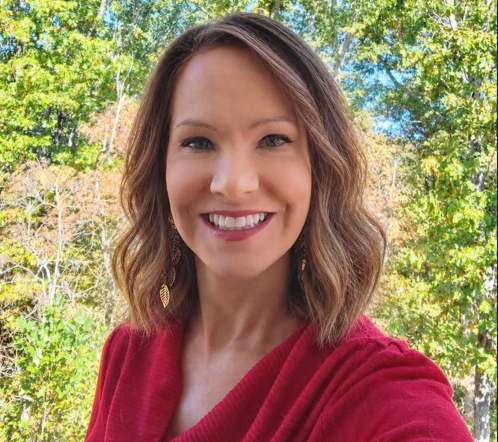
Kim Del Duca
Kim’s perspective: AI is changing how underwriters work and where they spend their time. It can gather and organize information, summarize submissions, surface patterns, and bring relevant details to an underwriter's attention. What it can't do is replace the underwriter's role in deciding what information actually matters, what's missing, and what questions still need answers. The opportunity isn't to remove underwriters from the equation. It's to hand off the work technology does well, so underwriters have more capacity for understanding the business, evaluating exposures, applying judgment, and engaging with brokers, agents, and insureds.
An AI recommendation still needs someone who understands the account and can put it in context. What is the tool seeing? What might it be missing? What assumptions sit behind the recommendation? Does the conclusion actually hold up against this business, its exposures, its coverage needs, and our appetite? A pattern drawn from thousands of accounts can be genuinely useful. An unusual or complex risk still requires an underwriter who can recognize what makes this account different. Someone still has to question the recommendation. Someone still has to own the decision.
I also think AI will also reshape underwriters' relationships with brokers, agents, and insureds. Strip away some of the administrative load, and underwriters gain more room for real conversations, not just about a single submission, but about an agent or broker's book of business, their appetite, the insured's operations, emerging exposures, and possible solutions. That broader understanding is harder to build from data alone, and it becomes especially valuable when a risk doesn't fit a standard process. Judgment and trust still matter, and both are built through relationships over time.
I'm intrigued about new hire underwriting development. New underwriters have historically built judgment on straightforward accounts before graduating to complexity. If AI absorbs more of that early, straight-through work, we will need to adapt our training programs. We'll need to be deliberate about giving underwriters room to understand why decisions are made, work through exceptions, challenge recommendations, and build judgment outside of guidelines.
The strongest underwriters going forward will use AI well without outsourcing their thinking to it. They will still bring expertise, judgment, and relationships to the table.
Who is Kim: Kimberly Del Duca is an enterprise leader with 20+ years at The Hartford spanning commercial underwriting, sales enablement, learning and development, and enterprise transformation.
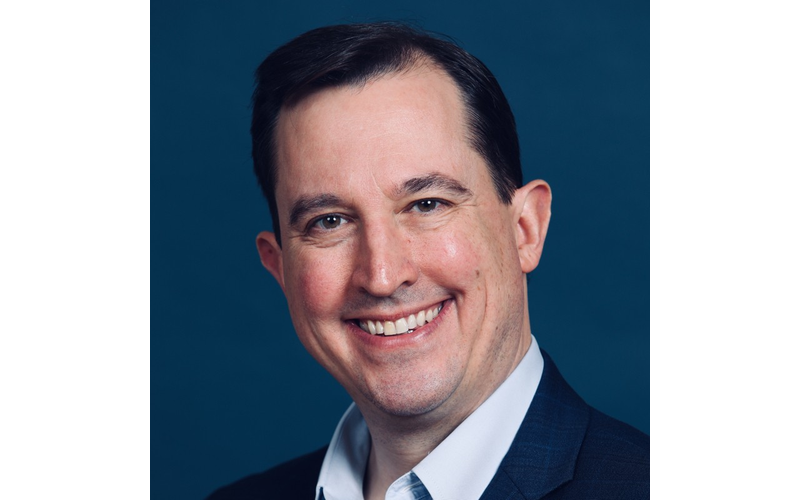
Derek Archey
Derek’s perspective: This question goes to the heart of one of our core values at CPI Insurance Partners - Relationships Matter!
Underwriting has always been as much art as science. While machine learning has brought incredible advances in our ability to process large amounts of data, human experience is still critical in interpreting that data and arriving at the right decision.
As a brokerage general agency, we strive to work with our carrier partners to make sure that we are considering the complete underwriting picture for every client. AI does make mistakes. Medical record summaries can contain inaccuracies, and even when accurate, the whole story may be more than the sum of its parts.
Every day we are building on our relationships with insurance company underwriters to arrive at the best possible outcome for our mutual clients given the facts at hand. That requires trust on both sides. Trust in our mutual intentions, methods, and judgment. That has been, and always will be, the basis upon which we operate, regardless of the tools that we use.
Who is Derek : Derek Archey is President of CPI Insurance Partners, an insurance brokerage general agency in Troy, Michigan. He provides insurance solutions to advisors and their clients. Derek is a past President of the Detroit Chapter of the National Association of Insurance and Financial Advisors (NAIFA) and serves on the LIBRA Insurance Partners Board of Managers. He holds ALMI and AALU designations and is a Certified Financial Planner (CFP®)
